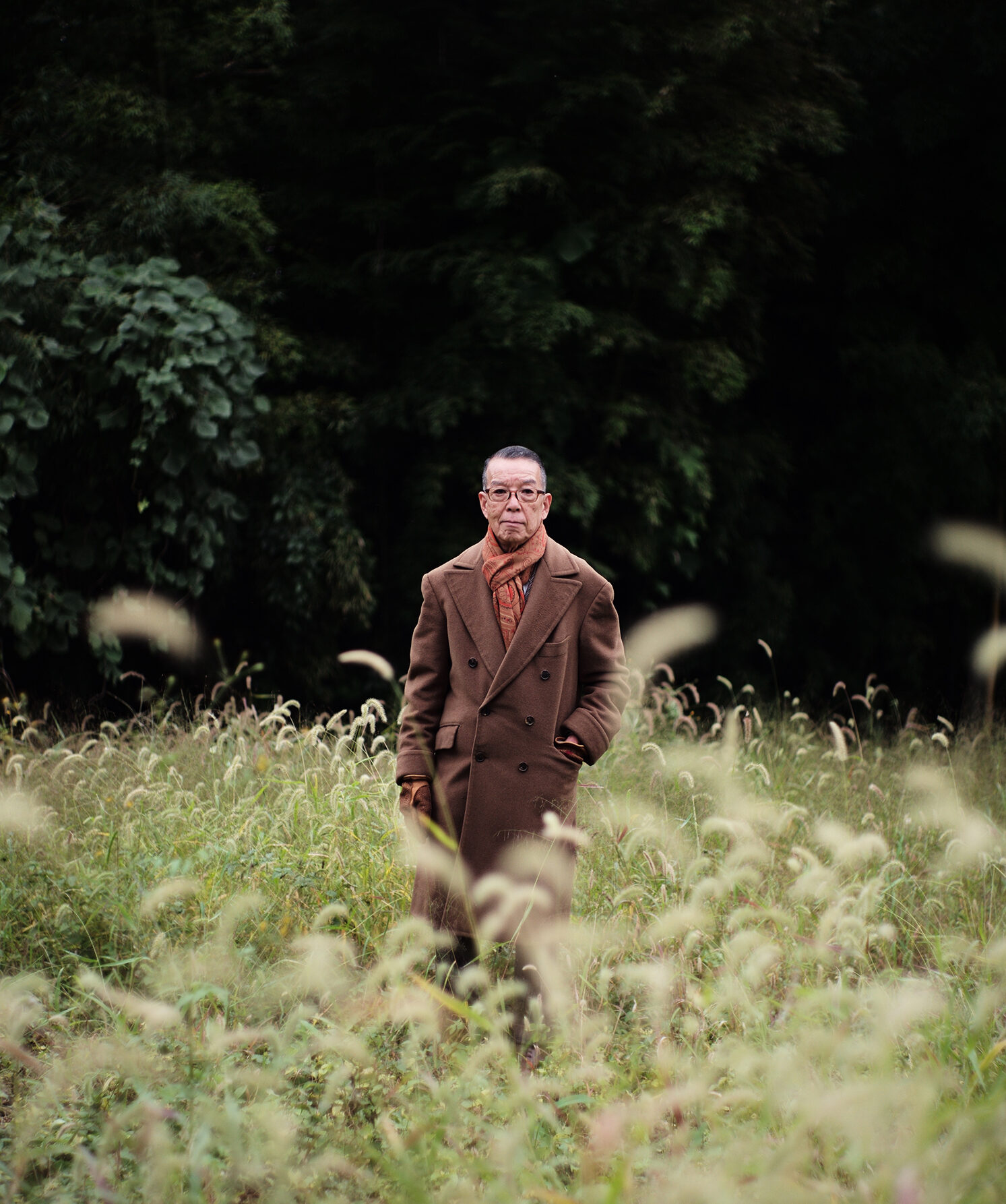
Clothes for people
who wear them.
Most clothing brands begin with a mood board and work backwards to a product. We started with the product. Specifically, with the question of why a railroad worker's shirt from 1943 feels better to wear than most things designed this year.
The answer, we think, has to do with function. When a garment is designed to actually do something, to keep out rain or survive a twelve-hour shift or move with the body rather than against it, the result tends to be more honest. The proportions make sense. The materials justify themselves. Nothing is there for decoration's sake.
We build around these functional silhouettes. Workwear, outdoorswear, military surplus, tailoring. Then we pull techniques and context from different cultures, because a Japanese approach to dyeing indigo or an Italian understanding of drape aren't proprietary ideas. Good knowledge travels.
The clothes don't come with a story. They don't need one. You put them on and they either feel right or they don't. That's the whole test.
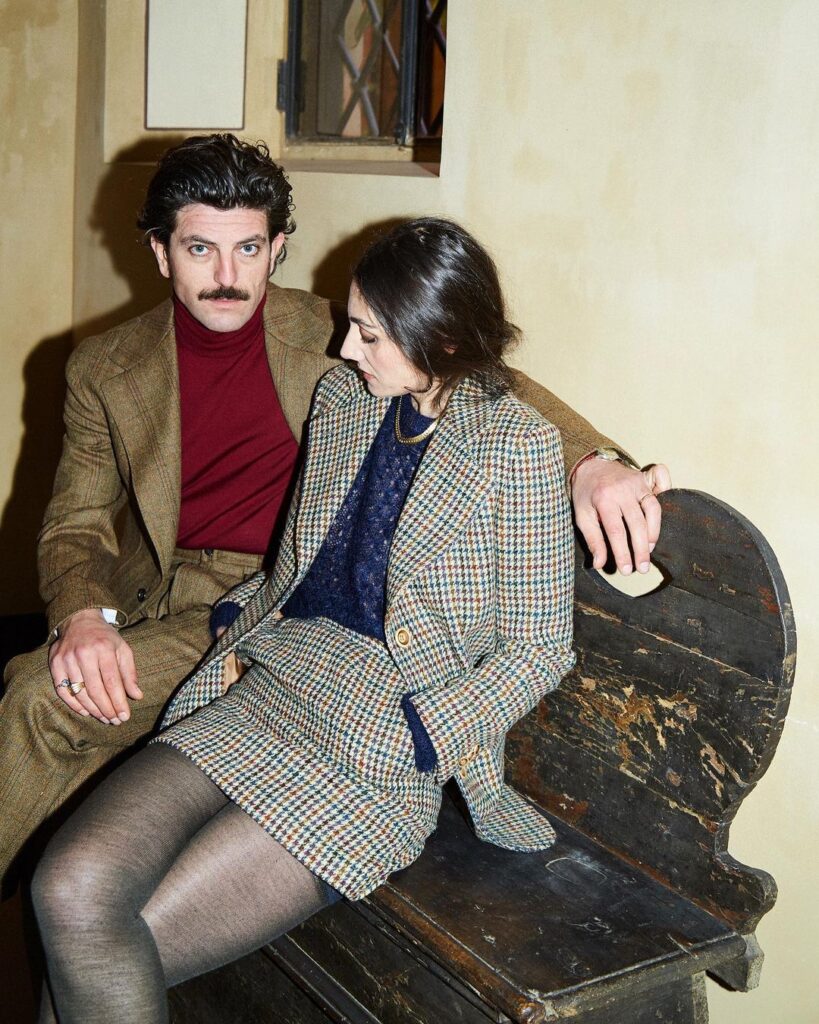
“The most beautiful aspect of clothing is the person wearing them.”
Process
Built to become yours.
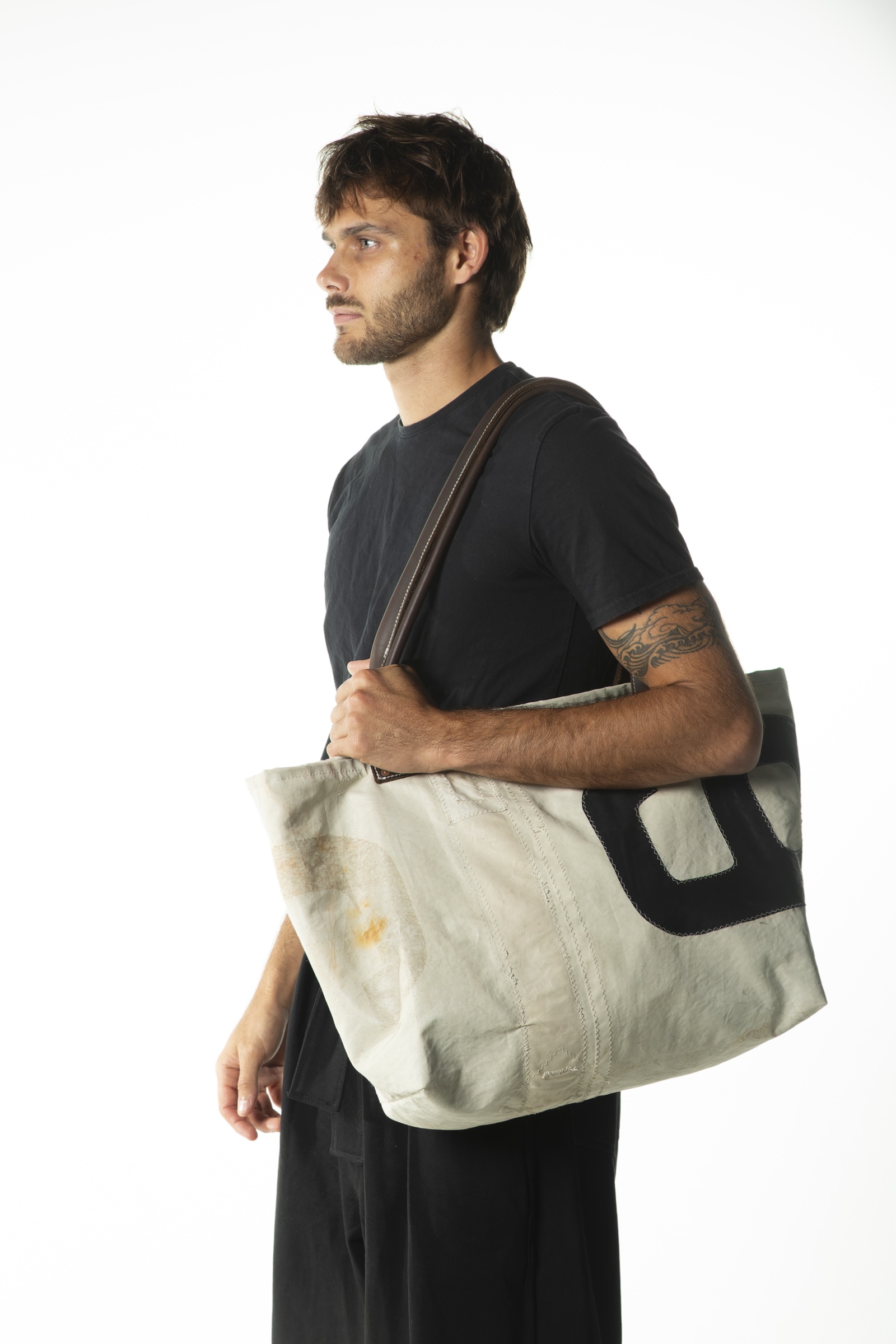
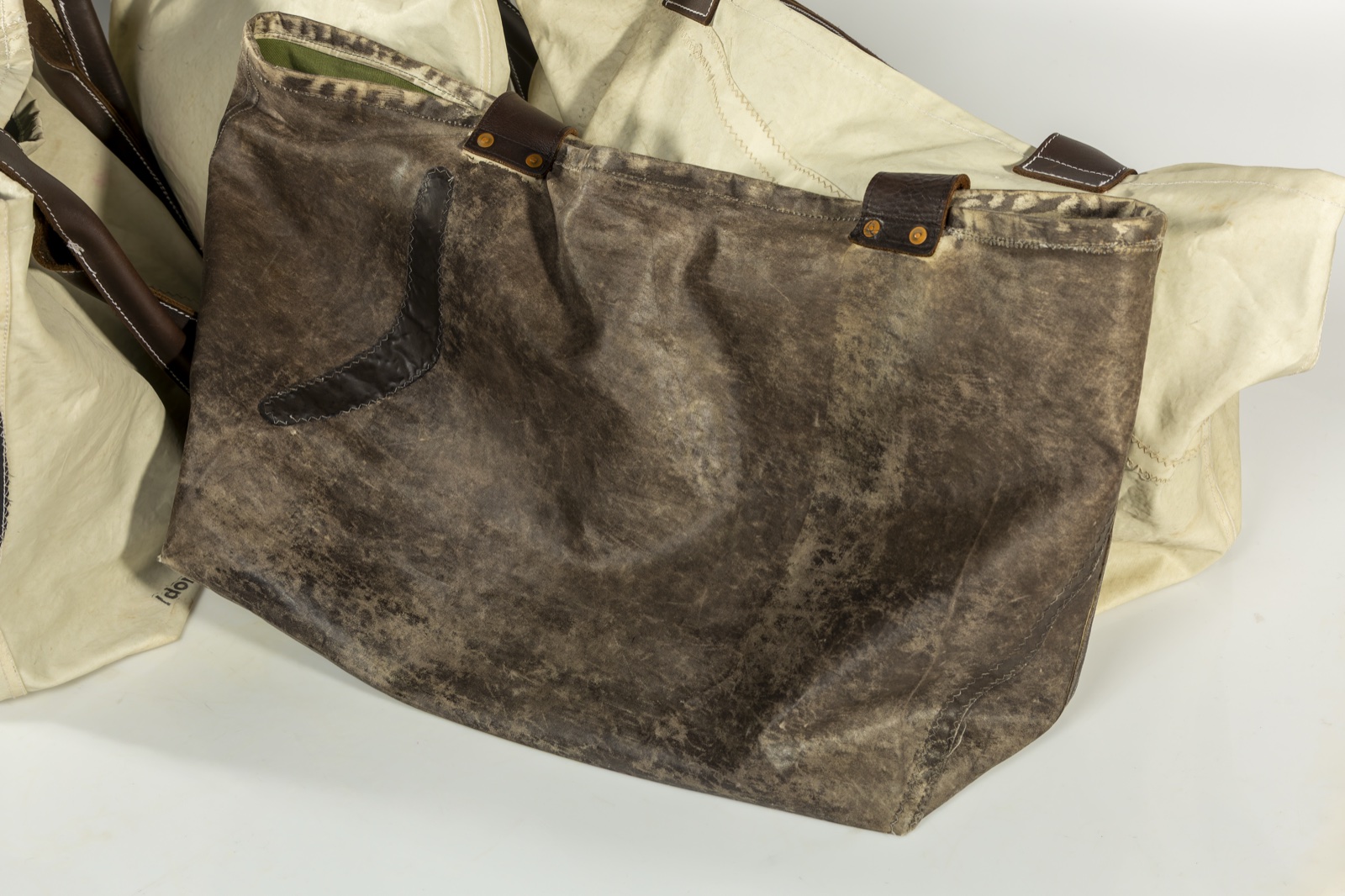
We work with natural materials because synthetic alternatives tend to solve problems that don't exist. Waxed cotton develops character. Raw denim fades to record your specific habits. Linen wrinkles, which is a feature, not a defect.
The Japanese have a word for this sort of thing. You don't need to know it to appreciate the principle: things that age honestly are more interesting than things that try not to age at all.
Human
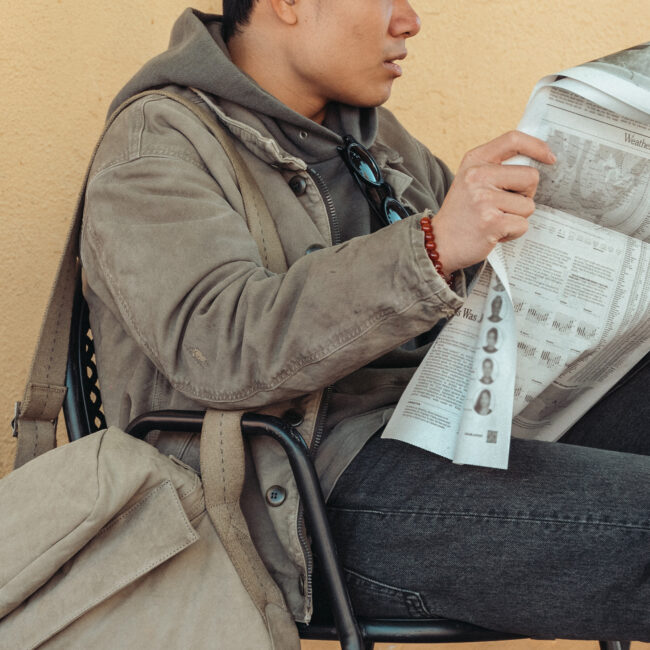
A flat lay on a marble countertop tells you nothing about how a shirt feels against your skin at 2pm on a Tuesday. Everything we make starts with the person who'll wear it, not the camera that'll photograph it.
Researched
We study the construction methods behind functional clothing from around the world. Not to copy, but to understand why a chore jacket from Lyon and a noragi from Kyoto arrived at similar solutions independently.
Quality
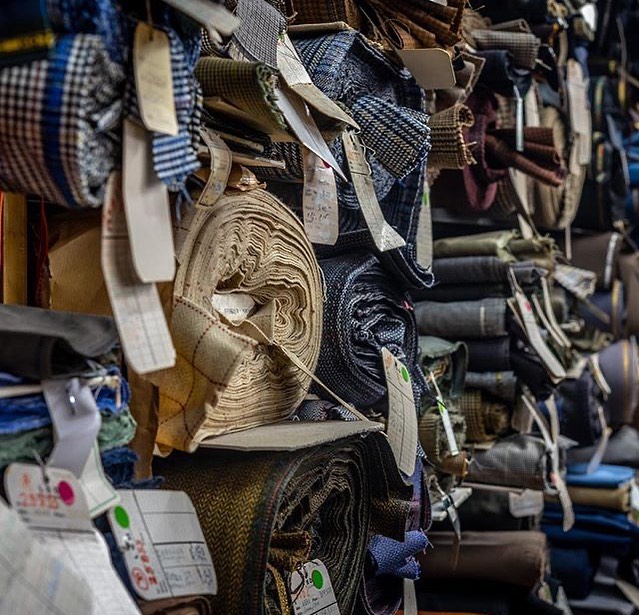
Not a marketing word. A material fact. We use better fabrics, more considered construction, and more honest sizing. The kind of clothes you stop replacing every eighteen months.